





Fed Chair Kevin Warsh has struck a hawkish tone, and the odds of a quarter-point increase in the fed funds rate are 87%, according to the CME Group. It was 59% on September 4.
But unlike past Fed chairs, the new Fed chairman opposes what economists call ‘forward guidance.’ So, investors are left guessing.
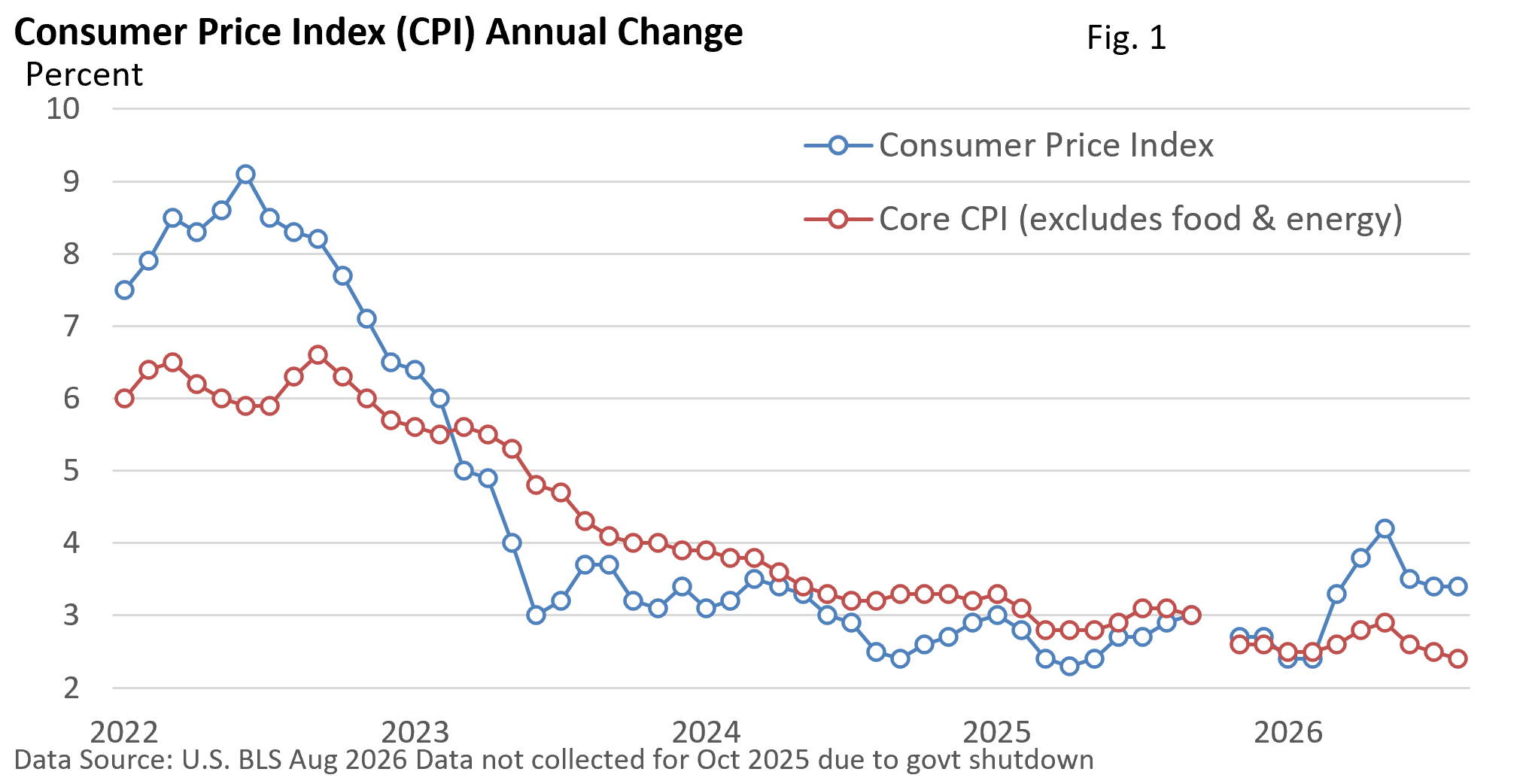
So, how did the August CPI report come in? According to the U.S. Bureau of Labor Statistics (BLS), consumer prices rose 0.4% in August, matching expectations, amid a 2.1% increase in energy.
But investors focused on a 0.3% increase in core CPI, which excludes food and energy. That was above the 0.2% forecast.
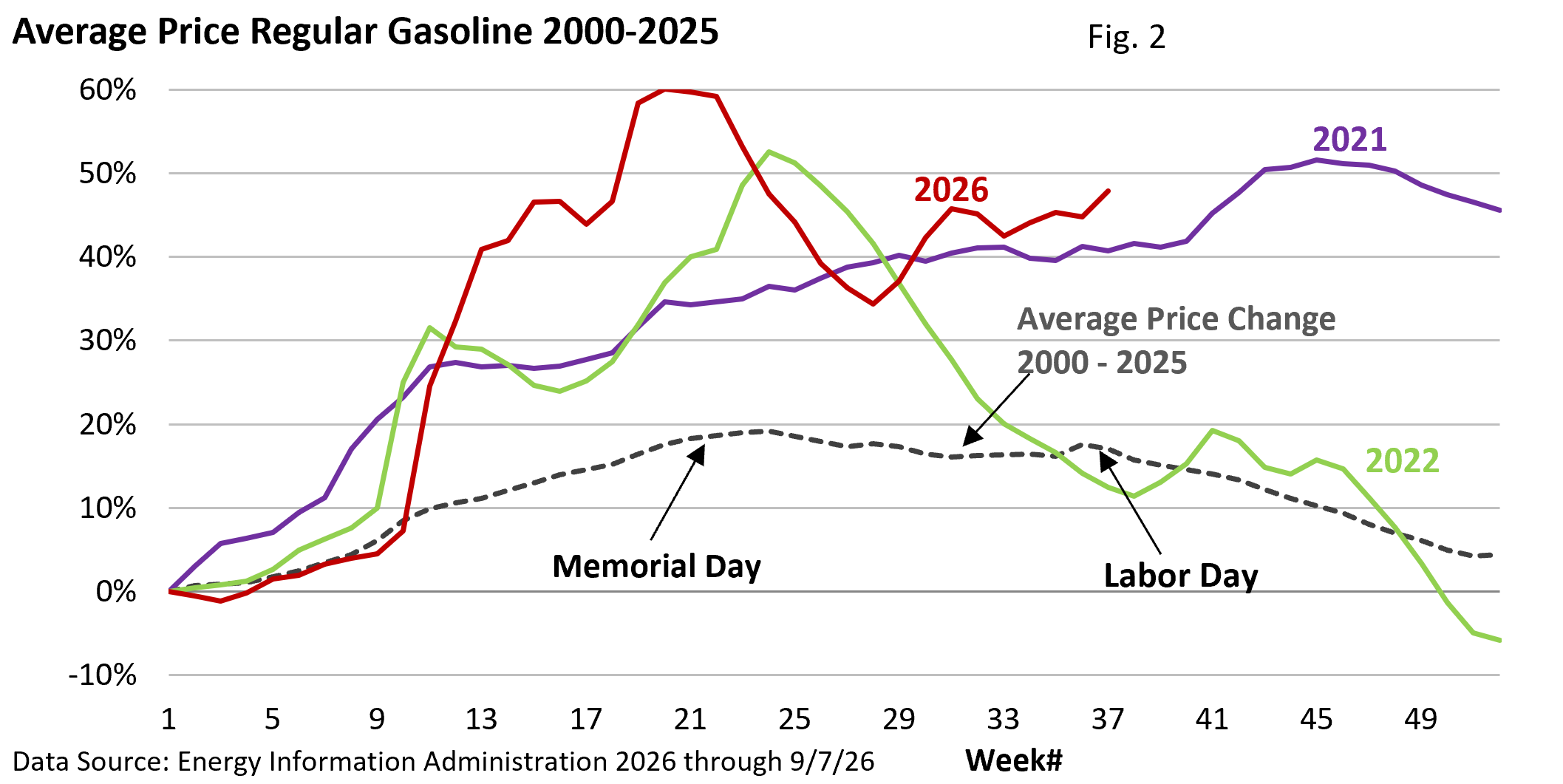
The CPI is up 3.4% from one year ago, led by energy prices.
However, the core CPI slowed to an annual rate of 2.4%, the slowest of the cycle, suggesting that higher gasoline and diesel prices aren’t bleeding into the broader economy. Of course, that’s not true of all categories. For example, airfares are up 23% from a year ago.
But for the most part, we have yet to see the spike in gasoline prices seep into the broader price level, and that’s good news for consumers and investors.
July’s reported decline of 23,000 jobs was revised to a gain of 21,000, and August’s initial reading may be revised, too. More importantly, the weakness suggested by the original July report contrasts with August’s much stronger increase of 162,000.
Looking beyond monthly swings, the three-month average offers a more reliable assessment of the underlying trend and incorporates additional revisions for a more complete picture.
Over the past three months, nonfarm payrolls have risen an average of 71,000 jobs per month. The average monthly increase since the start of the year has been 80,000. It isn’t robust, but economic activity is translating into new jobs, even if it’s spread unequally across industries.
We can also assess the labor market by examining the unemployment rate. This gauge is less volatile and has been trending downward since its most recent peak of 4.5% last November.
July’s reported decline of 23,000 jobs was revised to a gain of 21,000, and August’s initial reading may be revised, too. More importantly, the weakness suggested by the original July report contrasts with August’s much stronger increase of 162,000.
Looking beyond monthly swings, the three-month average offers a more reliable assessment of the underlying trend and incorporates additional revisions for a more complete picture.
Over the past three months, nonfarm payrolls have risen an average of 71,000 jobs per month. The average monthly increase since the start of the year has been 80,000. It isn’t robust, but economic activity is translating into new jobs, even if it’s spread unequally across industries.
We can also assess the labor market by examining the unemployment rate. This gauge is less volatile and has been trending downward since its most recent peak of 4.5% last November.
